Superfoods You Should Add to Your Diet in 2026
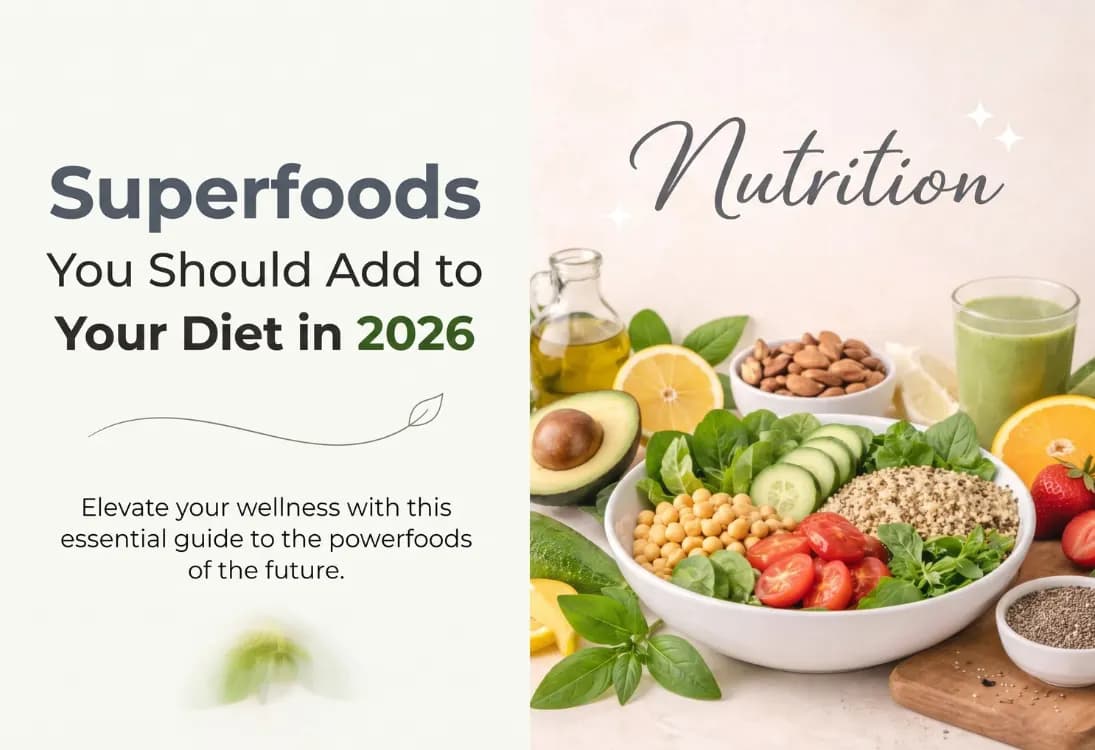
Browse Instagram for five minutes and you’ll see someone touting some random seed as a “miracle food.” A little much, right? The truth is just easier. Eat a few everyday superfoods regularly and they can make a real difference to your health. No fancy powders. No imported ingredients. Just food you can probably find at your local kirana store.
Let's look at what's actually worth eating more of in 2026, and why it works.
So What Even Is a "Superfood"?
The truth is, “superfood” is not a real medical term. Nutritionists use the word to describe foods that stuff a lot of good stuff (vitamins, fiber and antioxidants) into a small package. There’s no one hero ingredient. It's more about the little things that you do so much that they add up.
That said, here are five types of superfoods to consider adding to your plate this year.
1. Seeds and Nuts
Seeds and nuts are loaded with healthy fats, protein and fiber, which is why they’re so great at keeping you full and energized.
What they do for you:
Omega-3 fatty acids, good for heart and brain health, are abundant in flaxseeds and chia seeds
Almonds and walnuts have plant protein and vitamin E.
Pumpkin seeds are loaded with magnesium, something most people don’t get enough of
Easy way to add: Just sprinkle some on your oats/curd in the morning. Or, always keep a small box of soaked almonds and walnuts handy to munch on when you feel like snacking, instead of going for namkeen.
Nuts are very high in calories just remember. Just a small handful. 20-25 grams will suffice. You don’t want a whole dish.
2. Fermented Foods
Gut health is a massive topic in nutrition at the moment and rightly so. A healthy gut helps you digest, gives you a better immune system and can even give you a bit of a mood lift.
Some of these you are likely already eating:
Curd And Chaas (Buttermilk)
Idlis dosa batter
Homemade pickles (not the store kind full of vinegar)
Kanji, especially if you're from North India
These foods have natural probiotics — good bacteria that keep your gut happy. You don't need to start eating anything new here. Just make it a daily thing instead of an occasional one.
3. Berries
Berries taste great, sure, but they're also loaded with antioxidants. These help your body deal with the everyday damage from stress, pollution, and bad sleep — stuff most of us are dealing with anyway.
Why they're worth it:
Blueberries and strawberries are linked to sharper memory and brain function.
Low cal, high fiber — good for the digestion.
They're naturally sweet, without the blood sugar spike that sugar gives you.
Fresh berries can vary in price according to the season. No need to worry, frozen berries work just as well and are cheaper. Great for a quick smoothie.
4. Millets
Millets are having a moment in India right now and frankly, it’s about time. These were the everyday grains of our grandparents before polished rice and refined wheat took hold.
A few worth trying:
Ragi (finger millet) - good source of calcium
Jowar (sorghum) - easy on digestion
Bajra (pearl millet) - high in iron and fiber
Unlike white rice, millets do not cause a spike in blood sugar and they are naturally gluten-free too. You don’t need to give up eating rice and roti altogether, just change one meal a day. Maybe a ragi dosa for breakfast or a bajra roti for dinner.
5. High-Protein Foods
Protein isn’t just for the gym people. It helps to repair muscle, keeps your hormones functioning properly, and helps you stay full longer – naturally helping you if you’re trying to manage your weight.
Good options to keep around:
Eggs — cheap and a complete protein
Dals and legumes like moong, chana, and rajma
Paneer and Greek yogurt
Soya chunks, especially handy if you're vegetarian
Making It Actually Stick
Reading about superfoods is the easy part. Sticking with new habits is where most people fall off. A few things that help:
Add one new food at a time — don't flip your whole diet overnight
Keep it simple. A spoon of seeds doesn't need a recipe
Buy local and seasonal; you don't need anything imported
Attach new habits to meals you already eat, like breakfast or evening chai time
Final Thoughts
You don’t have to chase the latest food fad or spend a fortune on imported ingredients to eat well in 2026. Just pick one from the list above. Add it to a meal that you already eat every day. Build from there. Small changes, repeated often, are what actually stick — and that's really the whole secret behind any "superfood."