Wage, Fuel Spike Hit ATM Cash Services in Four States: What It Means for You
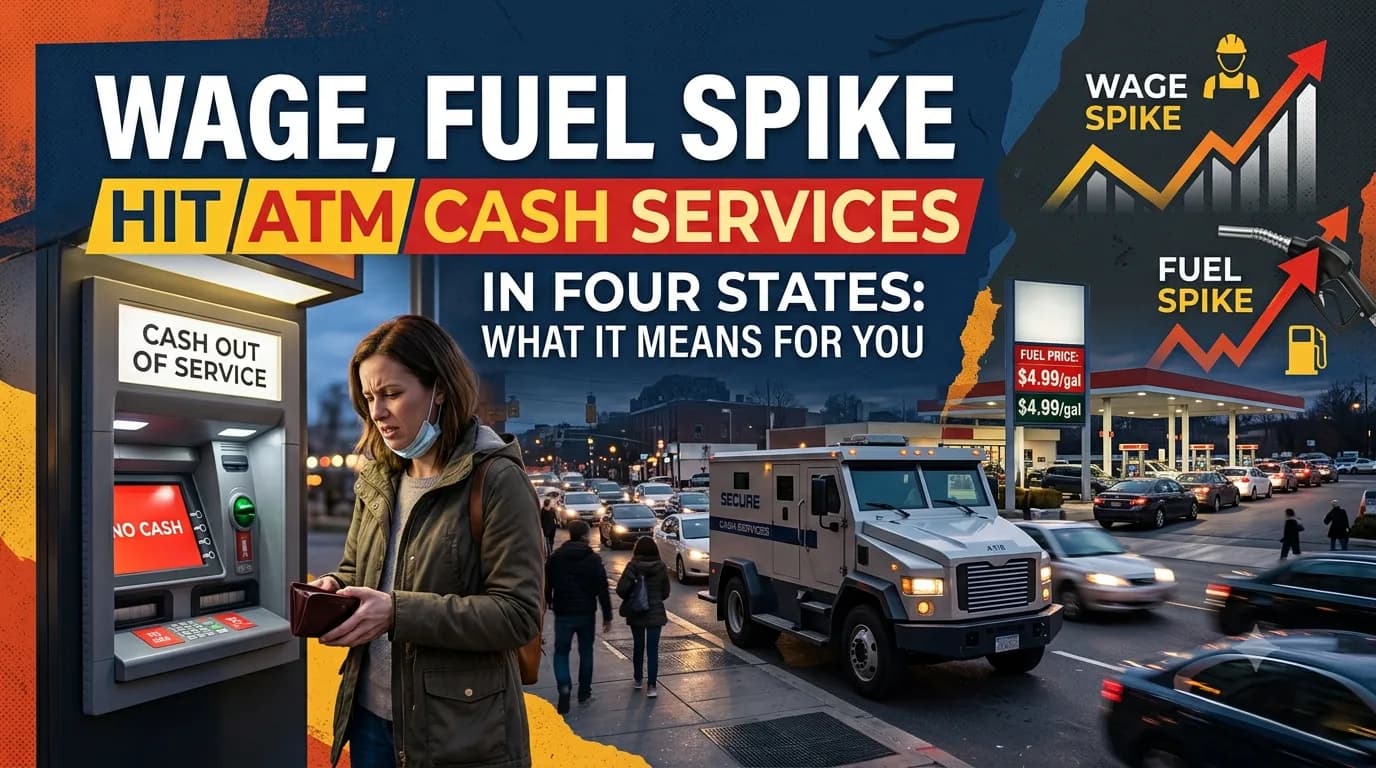
If you've noticed your neighborhood ATM running dry more often lately, you're not imagining things. The wage, fuel spike hit ATM cash services in four states—Delhi, Uttar Pradesh, Haryana, and Karnataka—and it's causing real headaches for everyday cash withdrawals. From longer lines to screens flashing messages like “cash not available,” it’s quietly changing the way millions of people get their own money.
We’ll look at what’s really going on, why it’s going on and what to expect going forward.
What's Really Going On With ATMs Right Now
Here's the thing most people don't realize: ATMs don't fill themselves. There's an entire behind-the-scenes operation involving cash vans, security staff, and logistics companies that physically load currency notes into machines every single day.
And that operation just got a lot more expensive to run.
Fuel Prices Are Eating Into Margins
Cash van companies rely heavily on diesel and petrol to move currency between bank branches, currency chests, and ATM locations. With fuel costs climbing steadily, every single trip now costs more than it did a year ago. Multiply that across thousands of ATMs serviced daily, and you start to see how quickly expenses pile up.
Wage Hikes Are Adding Pressure
On top of fuel costs, several states have revised their minimum wage rules for unskilled and semi-skilled workers. While this is good news for the workers themselves, it means cash logistics companies now have to pay significantly more to the staff who load, guard, and transport currency.
Some states have pushed wages up by well over 20-30%, which is a massive jump for companies running thin margins to begin with.
Why Four States Are Feeling It the Most
Not every state is affected equally. The states seeing the sharpest wage revisions are also the ones where ATM cash disruptions have been most noticeable. When labor costs rise fast in a specific region, cash logistics companies operating there often struggle to keep up without extra support from banks.
Add rising fuel prices into that mix, and it becomes a double squeeze—higher costs on both ends of the operation, with no matching increase in what banks pay these companies for their services.
How This Affects Everyday ATM Users
You might be wondering, does this actually change anything for me? Here's what to watch out for.
More frequent "out of cash" messages, especially at ATMs that aren't in high-traffic areas
Slightly longer replenishment gaps, meaning machines might take longer to get refilled after running dry
Possible service fee changes down the line, as banks and logistics companies work out new pricing
Shift toward digital payments, as more people start relying on UPI and cards to avoid the hassle
None of this means ATMs are disappearing. It simply means the system behind them is under strain, and adjustments are happening to keep things running smoothly.
What's Being Done to Fix It
The good news is that banks and cash logistics companies are already in talks. Industry bodies have flagged the issue clearly, pointing out that rising fuel and wage costs can't keep being absorbed without some kind of pricing adjustment.
Some of the proposed solutions include:
Smarter Cash Replenishment
Instead of refilling every ATM on a fixed schedule, some companies are shifting to a "demand-based" approach. High-traffic ATMs get refilled as usual, while low-traffic ones are serviced less frequently. This helps save fuel without leaving people stranded.
Renegotiated Contracts
Several banks have already started renegotiating service agreements with cash logistics firms to account for the higher operating costs. This should help stabilize things over the coming weeks.
Route Optimization
Companies are also looking at smarter route planning for their cash vans, cutting down unnecessary trips and focusing resources where they're needed most.
Tips for Managing Cash Access During This Time
While things get sorted out, here are a few practical steps you can take:
Keep a small backup of cash at home for emergencies
Try to withdraw during off-peak hours when ATMs are more likely to be stocked
Use UPI or card payments for everyday purchases where possible
Check your bank's app for real-time ATM cash availability if that feature is offered
Frequently Asked Questions
Q1: Why did the wage, fuel spike hit ATM cash services in four states specifically?
Ans: These states saw some of the sharpest minimum wage increases combined with rising fuel costs, putting extra pressure on the companies responsible for loading and maintaining ATMs.
Q2: Will I have to pay more to withdraw cash because of this?
Ans: It's possible that service charges could see some revision in the future, but nothing drastic has been confirmed yet. Banks are still working through the details with logistics providers.
Q3: Are all ATMs affected, or just certain ones?
Ans: Mostly lower-traffic ATMs are seeing more frequent gaps. High-footfall machines are usually prioritized and refilled as needed.
Q4: How long will this cash disruption last?
Ans: Since banks and cash companies are actively renegotiating terms, most experts expect things to stabilize soon, though exact timelines can vary by region.
Q5: Should I switch to digital payments permanently?
Ans: It's not necessary, but having UPI or card payments as a backup option is a smart move, especially while cash logistics adjust to these new cost pressures.
Q6: Is this a sign of a bigger banking problem?
Ans: Not really. This is more of an operational and cost-related issue on the logistics side, not a sign of trouble within the banking system itself.
Conclusion
At the end of the day, the wage, fuel spike hit ATM cash services in four states because of a simple but serious problem — rising costs on the ground level that haven't been matched by updated pricing structures. It's not a crisis, but it is a bump in the road that's affecting how smoothly cash reaches your nearest ATM. The people running these operations are already working on fixes, from smarter replenishment schedules to updated contracts with banks. In the meantime, a little planning on your end, like Some cash in reserve or making electronic payments from time to time can help you avoid any temporary hiccups. Things are heading in the right direction and normal service should resume as these cost adjustments get finalized.